Come to Italy and learn how to be a chef

CHEF IN ITALYAre you trying to get the secrets of the delicious Italian recipes you tasted in your journey there? To learn everything about the beloved Italian dishes that make the local cuisine so tasty and world-famous, just grab your web connection and look for a delicious cooking class in Italy.

Tuscany is a good place to start with, when you think of a cooking schools: they are plenty in Tuscany but also in the close-by Umbria region. Maybe we can say that in Tuscany you can find one of the most numerous ammount of cooking schools and the local products are also amazing: wine, olive oil, veggie and fish, meat and loads of cheese!

But if you were already in the beautiful Tuscan region, you could be interested in exploring another beautiful part of the country thanks to your interested for the cooking art. Lots of cooking schools are both in the countryside close to farms and agriturismo, or you can find it also in the main cities! If you can drive we advice you the cooking schools which are located in more rural lodging.
Interesting to say, some part of your cooking class would be a regular trip to the Italian markets!! It will be fun pick up all the  ingredients for the day’s recipe!

Some other times it will be included in the course to pay a visit to a osteria, a local winery or to a cheese maker to see how the prime ingredients are made. Choose an all-inclusive experience for you cooking esploration of Italy
It could be  a day, it could be a week or two, but it is always fun a class in cooking: check out how much free time you’ll be managing. If you’re in an agriturismo for a week in the middle of nowhere, it would be crazy to get a bus and reach the main city nearby.


Tuscany, a trip into nature

A trip into a beautiful nature: this is Tuscany!

Monte Argentario, for example, was once an island on the coast of Tuscany and now it is connected to the mainland by large sand bars and lagoons. The heritage is both Spain and Naples and the fleur is belonging more to a southern Italy area than to a Tuscany’s one.

Monte Argentario is full of wildlife and ancient forest and woods. It’s about 150 km north of Rome and 190 km south of Pisa. The mountain degrades into an astonishing rocky coastline. The wildest place  of Tuscany, it is located in the Maremma region of southern Tuscany.  Grosseto is about 40 km away, when nearby are the islands of Giglio and of Giannutri. The closest airports? Rome or Pisa .

Orbetello is into the lagoons between the mainland and Monte Argentario.  It is basically a pedestrian street with shops, bars, and restaurants that cuts through the center of town; outside plenty of lovely and nice beaches, as well as in Tombolo della Feniglia, a nature reserve in the lagoon full of pine trees, birds, deer, and wild pigs.

Porto Santo Stefano is one of two harbour towns. The 16th century Fortezza Spagnola “rules” the little city. Inside you`ll find an unusual “Museum of the Masters of the Axe” and the Submerged Memories exhibit with archeological findings from the sea. Interesting place to get the ferries and explore further the Tuscan archipelago.

Porto Ercole is one of the most incredible town on the island. Forte Filippo is on the hill near the town. Fishermen’s cottages are waiting for you and along the coast you can find both sandy and rocky beaches. If you climb up the hill from the harbour, you can visit in the old town the Chiesa di Sant Erasmo, with a marble altar and tombstones with the Spanish govenors. The Rocca is exactly here, meaning in the old town and can be visited as well.

If you are interested in personalized tours in Tuscany, please visit the website ariannandfriends.com!


The Amalfi Peninusla, a jewel in the South of Italy

Italy’s Amalfi Coast is a really famous and a very romantic destination. Its coastline is unbelievable interesting, fantastic sea, and good climate has fascinated guests since Roman period. The Amalfi Peninsula is very interesting and beautiful:  let’s go and explore the Amalfi Coast towns and the island of Capri from the towns of Positano and  Amalfi.
Built on the face of a cliff, Positano is one of the most fantastic towns on the coast. From Positano you can visit other towns by bus and ferries but also you can go to the town of Sorrento.

Also built on the slopes of the cliffs, here is Amalfi, a nice and historical resort town.

Amalfi Coast roads are somehow narrow and windy, and travelling by bus or car is not always easy. It can take more then one day trip to travel around and visit the coast, so it would be interesting to stop for one night also in Sorrento, a lovely town just on the other side of the Peninsula.

Loads of ferries run between Sorrento and Amalfi or Positano: in this way you have the chance to visit both parts of the peninsula as well as view all the coast from the sea.

Food on the Amalfi Coast and Cilento are both parts of Campania Region. The ingredients are very fresh and the local kitchen is fab.

What to eat then? As an appetiser we can choose Caprese (not named after Capri for nothing): fresh Mozzarella with even fresher tomatoes and Basil or fresh Rucola salad with lemon juice. Lemons are really  big in this area!

Campania are well-known for its fish and seafood specialties. In the Amalfi and Cilento coasts you can find octopussy: a famous recipe involves stewing it in a sealed clay pot with olive oil, garlic, capers, olives, and parsley or with chili and tomatoes. Mussels and clams “al sugo” are added plain or with tomato sauce to handmade pasta.

Squid and cuttlefish are the stars here: you can find either boiled and served in salads, stuffed and baked, or simply fried into tasty rings.

Walking like an Egyptian…in Turin

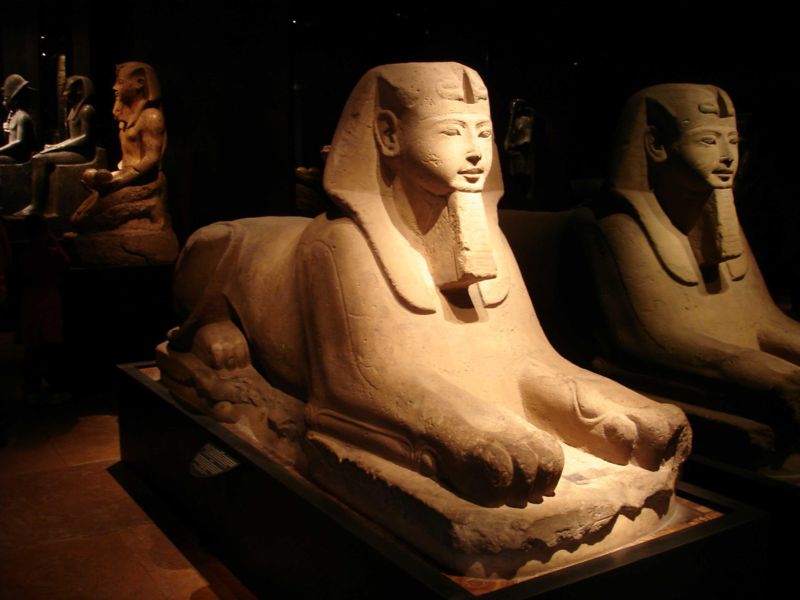
Walking like an Egyptian…in Turin? Of course! If you are there, besides the Mole Antonelliana, that is the gorgeous site for the “Museo del Cinema” in the Piemonte’s main city, you should go and visit what has been today considered one of the main Egypt museums around the world, that is in Cairo and in London: the Egypt Museum.

Continue reading Walking like an Egyptian…in Turin

Naples: catacombs and the city

“Vedi Napoli e poi muori” (If you have seen Naples, you can happily die”). This is the motto that comes to mind to every single Italian when they go and visit Naples for the first time!

One of the favourite trip  for British and German artists and wealthy bourgeoisie a couple of centuries ago, today also thousand of Italian and foreign tourists love coming in Naples for spending their holidays.

Naples and its folklore: an Gordian Knot  impossible to cut!

The Neapolitan are people who lives and works in an “artistic” way, full of legends attached to the main monuments and to the daily life.

Tourism has increased in the city and visiting Naples means stepping across 2,500 years of history, art and architecture, an open-air museum which is a UNESCO world heritage site.

Every single corner brings an incredible historic and artistic vision.

Worthy to see the city Museums house collections of works of art and archaeological remains: it is one of the finest in the world.

After a trip back to the past, we can also go to see the flourishing contemporary art galleries, located inside the glory of ancient buildings: in the city centre, you will find the PAN and the M.A.D.R.E.

In Naples the mixture of different religions and races generated a long and stable tradition of cults, deeply rooted in mythology and nowadays still alive.

The “underground” popular culture is well-known as the remarkable sign of being Neapolitan, but it is not as well known the mystery regarding the “real” underground “city” of Naples.

This has been created alongside the one above ground. The volcano Vesuvius real protagonist in this story, together with the tuff, pozzolane, and rocks:  the result of enormous eruptions were used by the people to build both the cities, i.e. the above city and the underground one.

A number of underground cemeteries in Naples exist and they are mainly  on the slopes of the Aminei hills and the Sanità-Vergini area.

This is the zone traditionally called as the “Valley of Death“.

But why the people chosed these sites? A valid  answer is to be found in the quality of the tuff it is here: it was easier for them to dig out a number of large tunnels and extract building materials for the growing city in the past. They used it also to build natural underground water storage holes.

The catacombs under Naples are well-known: the most famous one are San Gennaro Catacombs, with frescoes and mosaics, but interesting are also those of San Gaudioso.